At a glance · September 2026

A data center’s waste heat, growing food for the town next door.

Intelligent Harvest develops greenhouses and community farms powered by data-center waste heat. The server hall keeps computing. The warm water it used to throw into the sky runs under the beds of a 2.5-acre glasshouse instead, and at least 15% of the harvest belongs to the town.

The Intelligent Harvest flagship, in cross-section A server hall on the left sends warm water through a buried, sealed loop to a heat exchanger vault, then on to a multi-span glass greenhouse on the right, where the warm pipes run under the growing beds. Cooler water returns to the hall. Outside, snow is falling; inside, tomatoes, greens and herbs are growing. January outside Heat once thrown to the sky Server hall Heat exchanger The two loops never mix ~45°C out Cooler water back 2.5-acre greenhouse · summer inside Warm loop under the beds, at the roots ~27°C back to the hall The Intelligent Harvest flagship, in cross-section A server hall sends warm water through a buried, sealed loop and a heat exchanger to a glass greenhouse, where the warm pipes run under the growing beds. Cooler water returns to the hall. Snow falls outside; tomatoes, cucumbers and greens grow inside. January outside Heat once thrown to the sky Greenhouse summer inside Server hall ~45°C out Cooler back Warm loop under the beds ~27°C back Heat exchanger The two loops never mix
Cross-section of the flagship: server hall, buried sealed loop and heat exchanger, and greenhouse.
The server hallLiquid-cooled chips hand off warm water at around 45°C. Today that heat goes to dry coolers and into the sky.
The buried loopA sealed, bored-in loop and one heat exchanger. Nothing of ours sits in the hall’s critical path, and the two waters never touch.
The greenhouseThe heat runs under the beds to the roots. No boiler, nothing burned. Snow outside, tomatoes inside.

What one flagship makes

One 2.5-acre greenhouse, every year.

These are design targets for a single flagship on a liquid-cooled campus. Every figure marked † is modeled, not measured, until a third-party meter says otherwise.

Food
695,000–780,000 lb†of fresh produce a year, depending on crop mix

Snacking tomatoes, leafy greens, herbs and cucumbers, grown in January as easily as July. At least 15% is covenanted to the host community in writing, running with the land.

≥15% to the town ≈ 400 neighbors fed†

Basis: IH canon central 780,100 lb (Mix E); floor 695,000 lb. People fed at USDA fresh-produce consumption of ~260 lb per person per year.

Jobs
~16†year-round jobs per flagship, inside the glass

Growers, packers and technicians, working every month of the year. Industry comparables at the same footprint run from about 12 to 60, so we plan at the conservative end.

Band 15–30†. Comparables: Oasthouse, Red Sun, Gotham Greens, Little Leaf, NatureSweet.

Water
Net zero†town-water draw, on a meter anyone can read

The greenhouse recirculates its water, recaptures what the plants breathe out, and catches its own rain, using 80–95% less water per pound than open-field farming.† On the Virginia coast, stormwater capture makes the site aquifer-neutral, with aquifer-positive recharge as the aim.

Roof catchment ~2.5M gal/yr at 46 in. rainfall.† Net withdrawal published by a third-party meter. The full water architecture

Carbon
~550 t†of CO₂ a year the greenhouse never emits

A glasshouse this size in Virginia would normally burn natural gas all winter. This one is heated by warmth the data center has already made, so that boiler is never built.

Avoided-fuel basis: gas heating a 2.5-acre glasshouse at Mid-Atlantic heating loads. The data center’s own emissions are unchanged; we reuse heat that is otherwise rejected.

What the heat saves you

The Delta-T Dividend.

When the greenhouse takes heat off your loop, the water goes back to the hall cooler than your dry coolers would have made it. That saving belongs to the data center.

A wider temperature difference between supply and return, the Delta-T, means less water to pump and less heat left for the cooling plant to reject. On a hot afternoon that is capacity your fans and chillers don’t have to find.

We model it at $1,580–5,480† a year for every megawatt of loop we widen, depending on your flow architecture. Your loop drawings set the real number.

The farm itself costs under 1% of campus capital. In a developer-funded build, your campus gets the credit for feeding the town.

  • 1The permit: an answer when the board asks where the heat goes
  • 2The Delta-T Dividend, every year the loop runs
  • 3Lease yield from the later phases of the park
  • 4The story your town tells about you

Delta-T Dividend estimator

25MW
$39,500 – $137,000†a year back to the data center, before the farm sells a single tomato

Modeled range $1,580–5,480 per MW-widened per year (IH canon). Low end: sidestream tie-in on a narrow loop. High end: full-flow tie-in on a wide one. Scale shown to 100 MW; a 2.5-acre flagship typically widens a slice of a campus loop, not all of it.

Who builds the loop

A bench of specialists, each in one part of the system.

The chip, the ground, the pipe, the water and the crop. Each one is someone who has done the hard version for real.

CB
Liquid cooling & heat reuse

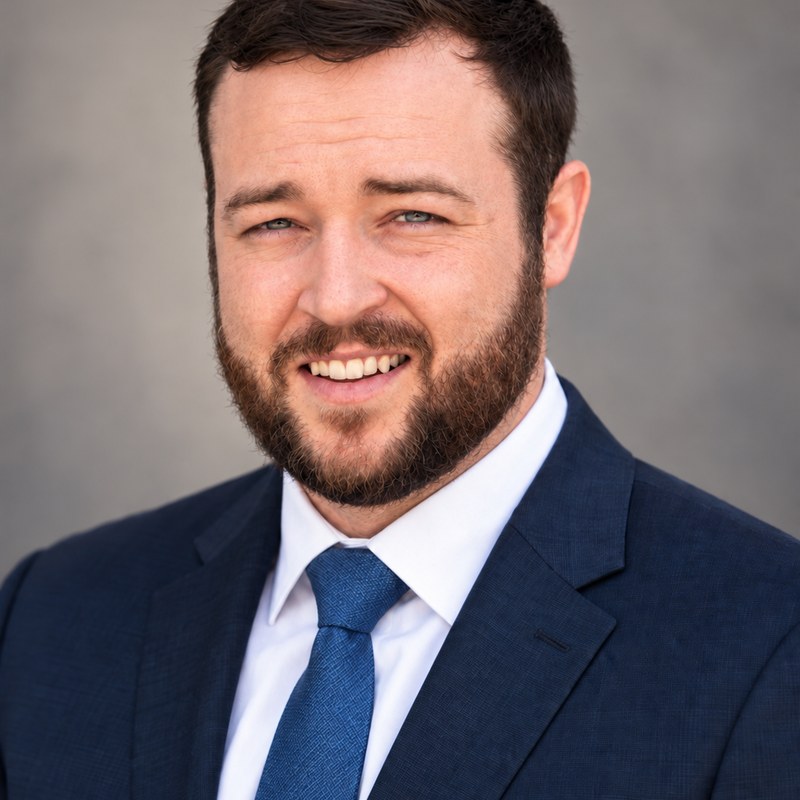
Dr. Curtis Breville

Founder & CEO, IPE Solutions

Created the Foundational Liquid Cooling Certification, the industry’s first, launched in May 2025 while he was Global Head of Liquid Cooling for AI data centers at ByteBridge. More than 35 years in data-center infrastructure, advising Fortune 100 and public-sector operators through the move to liquid cooling.

Our loop begins where the heat leaves the chip. That’s Curtis’s ground.

EL
Thermal engineering

Ed Lohrenz

GEOptimize

Designing ground-source and district thermal systems since 1982: 105 MW of capacity, from a town-owned district geothermal utility in Gibsons, B.C., to some thirty geothermal ice arenas. He wrote the Certified GeoExchange Designer curriculum IGSHPA adopted.

Moving heat into the ground, holding it, and handing it over on demand is the math Ed teaches everyone else.

  • Obama Presidential Center, ChicagoGround heat exchanger design and hybrid thermal modeling for the 500,000 ft² complex: 160 boreholes drilled to 500 ft, aiming at LEED Platinum and ILFI Zero Energy.
  • Canadian Mennonite University, WinnipegA district ground-source system sharing heat across 9 campus buildings on one ambient loop, about 16 km of pipe so far and planned to 40 km. Built in phases so buildings join as budgets allow, which is how our park grows too.
ZP
Director of agricultural operations

Zack Perry

Intelligent Farms

Most recently Head Grower at 80 Acres Farms’ flagship in Hamilton, Ohio. Before that, Production Manager launching two generations of Square Roots farms, and Assistant Grower in AppHarvest’s commercial greenhouse. He started as a greenhouse construction foreman, so he has run the whole lifecycle: build, commission, start up, grow.

  • Vertical farm · greenhouse · aquaponics. A Kentucky State aquaculture degree, a Lexington nonprofit farm pairing production with food access, and an interim farm-manager post in rural southern Egypt.
JP
Filtration & fertigation

Jim Phene

Epiphene, Inc.

Air Force Academy graduate and former USAF pilot. Senior product manager at Netafim, the world leader in drip irrigation, then eight years at LAKOS Filtration protecting district-cooling plants, data centers and airports. Epiphene builds ½-micron, chemical-free filtration.

  • Second-generation water science. His father, Dr. Claude J. Phene, was the USDA scientist whose research pioneered subsurface drip irrigation and modern fertigation. Both of our waters, the heat loop and the feed line, are the family trade.
DR
Directional drilling & energy

Dallas Rush

Wolf Machinery & Supply · Rush Holdings

Maker of the Gladiator line of horizontal directional drilling rigs. The loop in the drawing above goes in by directional bore, under the ground and out of everyone’s way. Dallas brings the rigs, the crews and a seat on multiple energy boards.

  • ~29,000 lb thrust Gladiator rigs, and a career moving energy and utilities through ground others can’t.
RW
Operations & community

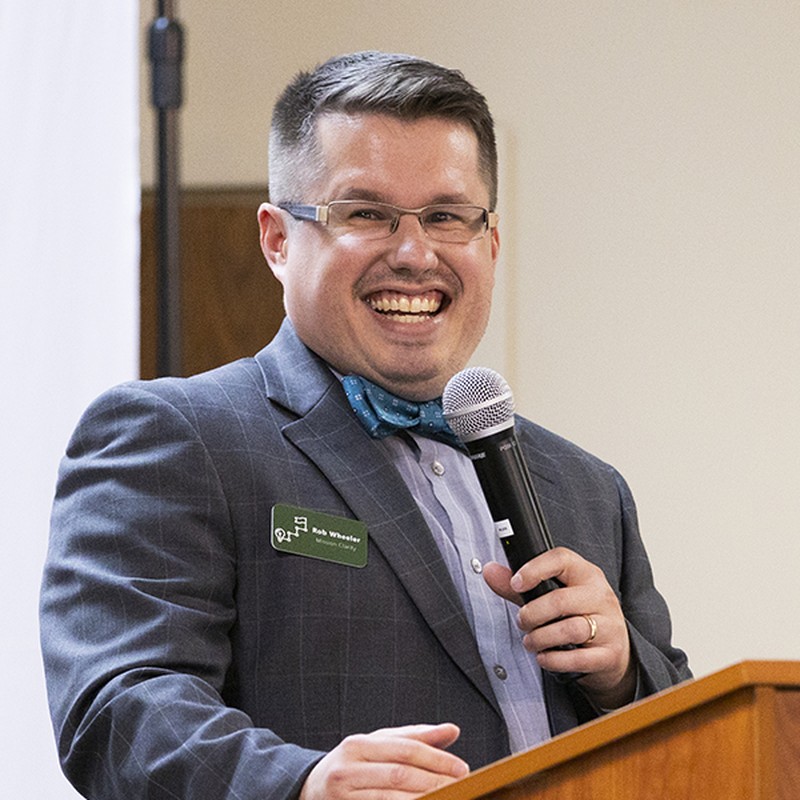
Rob Wheeler

COO, Intelligent Farms · Mission Clarity

Rob runs the operating company that keeps the covenant: each greenhouse runs on nonprofit logic and returns its surplus to the town it feeds. Everyone else on this page moves heat, water, ground or crops. Rob makes sure the food lands on the tables it was grown for.

  • The Community Kindness Covenant. At least 15% of every harvest to the host community, senior to everything else in the waterfall and recorded to run with the land.
AP
Founder & CEO

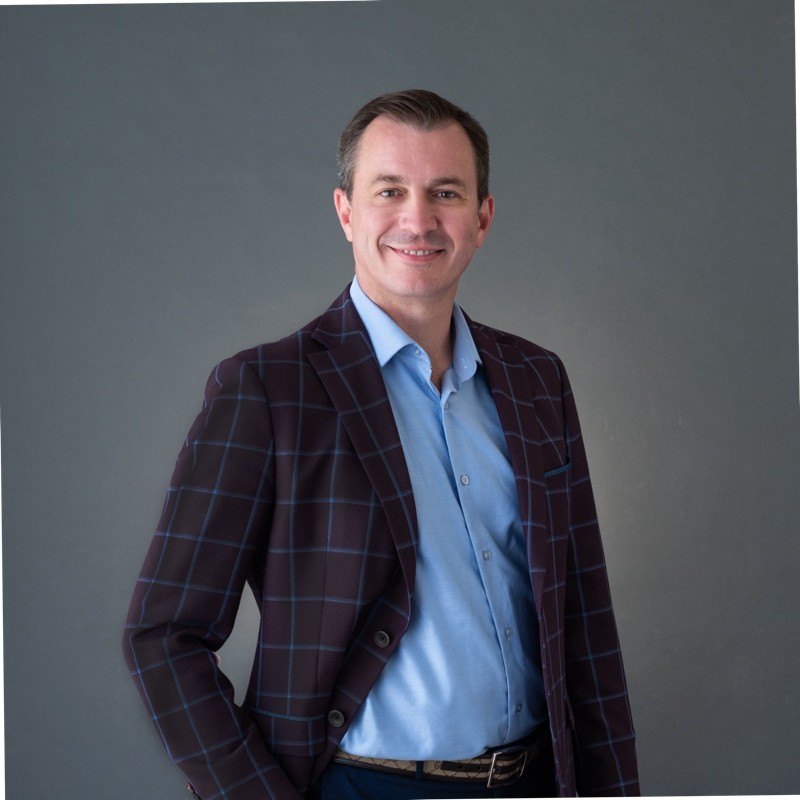
Andrew Potter

Intelligent Harvest · The Matchlight Group

A multiple-time founder who grew up on a farm in the country and runs The Matchlight Group, a Lynchburg brand and design firm. His job isn’t the thermodynamics. It’s the people part: earning a town’s trust, and bringing the right engineers and operators to the table.

  • On the record. Op-eds in the Washington Examiner and Cardinal News, a letter in The Washington Post, and he has spoken before county boards across Virginia. See the press

On the record

What we’ve said, and what’s been said about us.

Our own writing and outside coverage, kept separate and dated.

  1. Cardinal NewsOur words · op-ed
    Virginia already wrote the data-center heat law. Now make it a condition.New Three asks, in order: a named demonstration site, heat reuse as a condition of the site assessment, and one question for every board: where does the heat go?
  2. HackerNoonOur words
    What if your prompt could feed someone a strawberry?New For the people who design and finance data centers: PUE has no term for what the heat does next. Put heat offtake on the site plan before the first public hearing.
  3. The Washington PostLetter to the editor
    Tomatoes, greens and herbs, grown on the community’s side of the fenceNew Checks to a county are rented goodwill. A farm on the fence line is built structure, and Virginia has already started on it. Andrew’s letter runs in the Post’s letters roundup.
  4. Washington ExaminerOur words · op-ed
    Republicans are winning the data center war. The prize? Big government The remedy for a bad bargain isn’t a bureau. It’s a better bargain, struck locally, paid in harvest, water and local hire.
  5. HackerNoonOur words
    The data center your neighbors actually want The industry asks how to get towns to accept data centers. The better question is how to build one they’d fight to keep.
  6. The Roanoke TimesCoverage
    Lynchburg company pushes food production from data center heat On Intelligent Harvest and its open letter to Amherst County officials.
  7. WLNI 105.9 FMCoverage
  8. WLNI · The MorninglineInterview
39–0

The Virginia Senate vote on HB 323, now Chapter 591 of the 2026 Acts of Assembly: the first state law in the country directing action on data-center waste-heat reuse.

The full record, with the build log to come: intelligentharvest.org/record · RSS

Where the loop closes

Tell us about your site.

Developers, operators, counties, investors and press: one form, and it comes straight to us.

I’m reaching out as